Plan A
F1 Driver
What they do
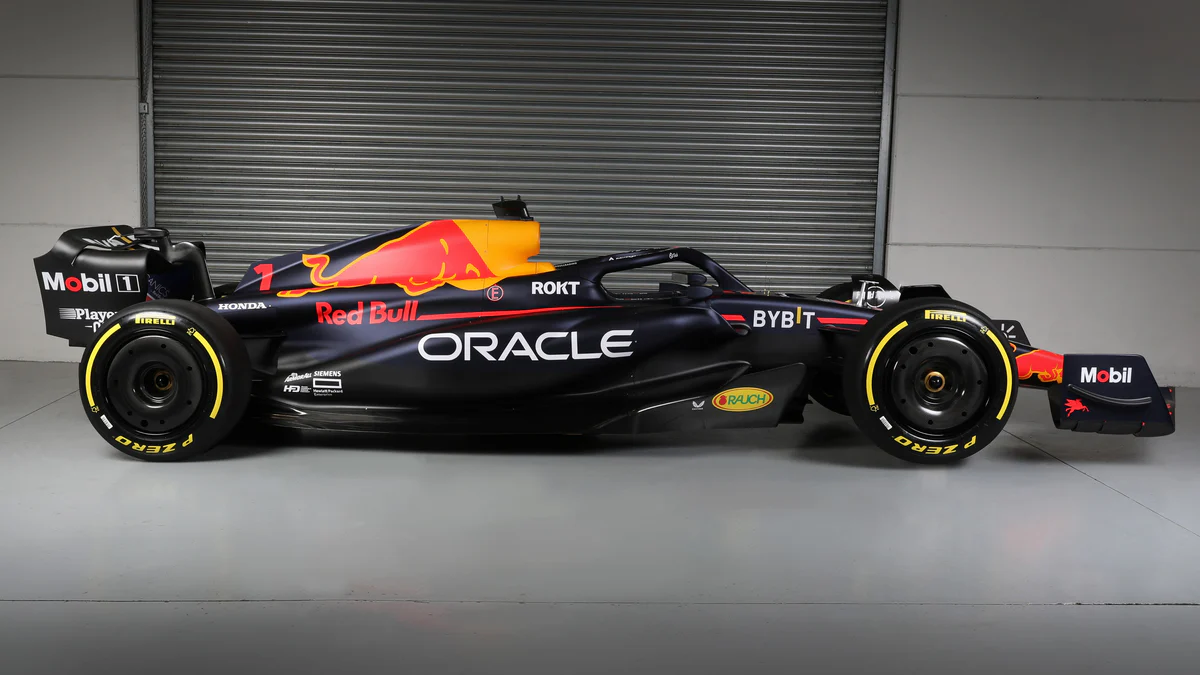
A Formula 1 driver is a professional athlete tasked with driving high-performance single-seater cars at speeds exceeding 200mph, aiming to win races and championships while providing technical feedback to engineers
Work Environment
An F1 driver’s work environment is an intense, high-pressure blend of elite athletic training, relentless global travel, and technical collaboration
How To Become One
Becoming a Formula 1 driver requires starting karting around ages 6–8, winning national/international championships, and moving up the "Road to F1" ladder (F4, F3, F2) while securing immense funding (millions) or signing to a junior team
Pay
F1 drivers' salaries in 2026 range from approximately $1 million for rookies up to $70 million for top earners, with superstars like Max Verstappen potentially earning over $100 million total including personal endorsements
Job Outlook
The job outlook for Formula 1 drivers remains extremely exclusive, with only 22 spots available for the 2026 season. While competition is intense, opportunities for new talent are emerging due to 2026 regulation changes, the expansion of new teams like Cadillac, and a shifting driver market
Similar Occupations
Occupations similar to a Formula 1 driver involve high-speed vehicle control, extreme physical fitness, data-driven performance analysis, and intense, split-second decision-making. Key roles include other top-tier racing drivers (IndyCar, WEC, MotoGP), military fighter pilots, and specialized automotive test drivers
Interesting Facts
F1 drivers are elite athletes, frequently losing 6–8 lbs in sweat during a single 100°F+ race, enduring immense G-forces, and experiencing heart rates over 170 bpm. Modern drivers often live in a bubble of airport-hotel-circuit, but their history is packed with crazy pranks, record-breaking youth, and bizarre penalties.